
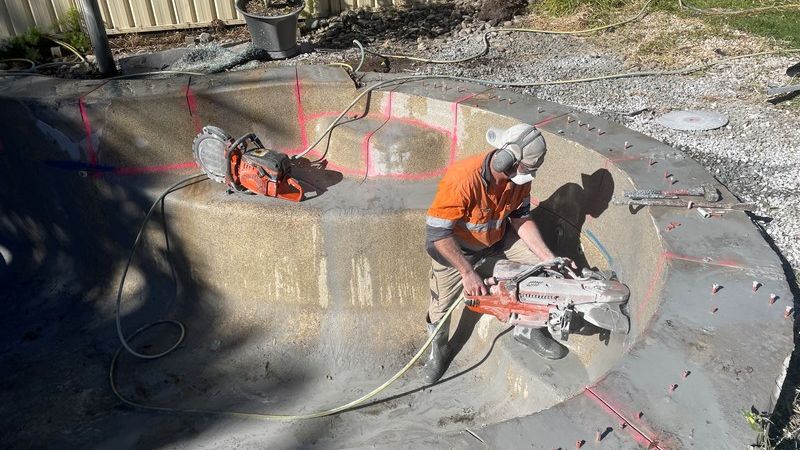
When Is a Permit Required for Concrete Cutting?
In Massachusetts, the need for a permit depends not on the cutting itself, but on what the cutting accomplishes. Concrete cutting is a means to an end, and it is the end result that determines whether a permit is required. Understanding this distinction will help you navigate the permitting process and avoid potential problems down the road.
Projects That Typically Require Permits
The following types of concrete cutting projects almost always require a building permit in Massachusetts municipalities:
Structural Modifications
- Egress window openings: Cutting through a foundation wall for a new egress window is a structural modification that requires a building permit in virtually every Massachusetts city and town.
- Door openings in foundation walls: Creating a new doorway through a concrete foundation or load-bearing wall requires a permit and often a structural engineer's approval.
- Removing sections of load-bearing walls: Any cut that affects the structural integrity of a building requires engineering review and a permit.
- Floor openings for stairs: Cutting through a concrete floor to install a stairway between levels requires a permit.
Plumbing and Mechanical Work
- New plumbing lines through floors or walls: While the concrete cutting itself may not need a separate permit, the plumbing work that follows requires a plumbing permit, and the inspector will want to see that penetrations were made properly.
- HVAC penetrations: New HVAC system installations, including ductwork and mini-split line sets that require core drilling, typically fall under mechanical permits.
- Gas line penetrations: Any penetration for gas piping requires both a plumbing permit and gas fitting permit.
Projects That Typically Do Not Require Permits
Some concrete cutting projects are considered maintenance or minor work and generally do not require permits:
- Cutting control joints: Adding or re-cutting expansion and control joints in driveways, sidewalks, or garage floors is routine maintenance.
- Small penetrations for non-structural purposes: Drilling a hole for a dryer vent, radon pipe, or similar minor penetration through a foundation wall typically does not require a building permit by itself, though local rules vary.
- Removing and replacing sections of sidewalk or driveway: Cutting out a damaged section for replacement is generally considered repair work.
- Cutting for utility repairs: Accessing buried utilities for repair is typically exempt from building permits, though you may need a street opening permit for work in the public right-of-way.
Need this done professionally?
REDCORE provides free, no-obligation estimates. Same-day service available.
Get Free Estimate →Or call: +1 (413) 666-2026How to Obtain a Permit in Massachusetts
The permitting process varies by municipality, but here is the general process for the Springfield, MA area:
- Contact your local building department: Call or visit the building department in your city or town to discuss your project. They will tell you exactly what permits and documentation are needed.
- Submit an application: Most municipalities require a completed permit application, a description of the work, and sometimes plans or drawings showing the proposed modifications.
- Provide engineering documentation: For structural modifications like egress window openings or door openings in foundation walls, you may need a letter or stamped drawings from a licensed structural engineer.
- Pay the permit fee: Fees vary by municipality and project scope, but typically range from $50 to $300 for residential projects.
- Schedule inspections: Most permitted work requires at least one inspection. For structural modifications, you may need inspections at multiple stages.
What Happens If You Skip the Permit?
Working without a required permit in Massachusetts can lead to several problems:
- Stop-work orders: Building inspectors can issue a stop-work order, halting your project until permits are obtained.
- Fines: Municipalities can impose fines for unpermitted work, sometimes double or triple the normal permit fee.
- Insurance issues: Unpermitted work may not be covered by your homeowner's insurance if something goes wrong.
- Problems selling your home: Unpermitted modifications are often flagged during home inspections and can complicate or derail a sale.
- Required removal: In extreme cases, you may be required to undo unpermitted work at your own expense.
REDCORE's Approach to Permitting
At REDCORE Concrete Cutting & Core Drilling, we always encourage our clients to obtain the proper permits before work begins. While we do not pull permits on behalf of homeowners or contractors, we are happy to advise you on whether your project is likely to require a permit and can provide documentation that building inspectors may request.
Our team is familiar with the building codes and requirements throughout Western Massachusetts, including Springfield, Chicopee, Holyoke, Westfield, Agawam, and surrounding communities. Contact us with any questions about your upcoming project.