
Why Plumbers Need a Reliable Concrete Cutting Partner
If you are a plumber working in Massachusetts, you encounter concrete regularly. Basement floors, foundation walls, slabs-on-grade, and mechanical room floors all stand between you and the pipes you need to install, repair, or replace. Having a reliable concrete cutting and core drilling subcontractor on speed dial is not a luxury; it is a necessity for keeping your projects on schedule and on budget.
At REDCORE Concrete Cutting & Core Drilling, we work with plumbing contractors throughout the Springfield, MA area every week. This guide shares what we have learned about making the plumber-concrete cutter relationship work smoothly.
Common Plumbing Concrete Cutting Needs
Core Drilling Through Floors and Walls
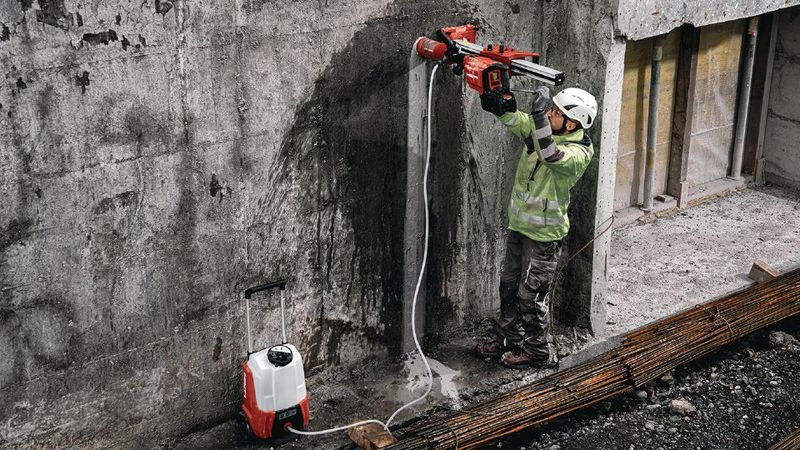
Core drilling is the most frequent service plumbers need. Typical applications include:
- Drain line penetrations: 3-inch and 4-inch holes through basement floors and foundation walls for PVC drain lines
- Water supply lines: 1-inch to 2-inch holes through foundation walls for copper or PEX supply lines
- Sewer connections: 4-inch to 6-inch holes through foundation walls for sewer line exits
- Cleanout access: Holes through floors for new cleanout installations
- Stack penetrations: Vertical penetrations through concrete floors for soil stacks and vent stacks
Flat Sawing (Slab Sawing) for Trenches
When you need to run drain lines under a basement floor, flat sawing is used to cut the slab on both sides of the trench. Typical trench widths range from 12 to 24 inches, requiring two parallel cuts the length of the pipe run.
Wall Penetrations for Sewer Lines
New sewer connections often require a large-diameter penetration through the foundation wall. These typically range from 6 to 12 inches in diameter and must be positioned precisely to match the exterior sewer line elevation.
How to Specify Your Concrete Cutting Needs
Clear communication prevents expensive mistakes. When you call to schedule concrete cutting, be prepared to provide:
- Hole diameter: Specify the finished pipe size and whether you need a tight-fit hole or an oversized hole for sleeves. A good rule of thumb is to order the core drill hole one inch larger than the pipe diameter to allow for slight misalignment and pipe fittings.
- Number of holes: Have an exact count ready. Adding holes on the day of the cut is usually possible but can affect scheduling.
- Concrete thickness: Know whether you are dealing with a 4-inch slab, 8-inch wall, or 10-inch foundation. If you are not sure, mention that.
- Rebar presence: If you know the concrete is reinforced, mention it. This affects blade selection and timing.
- Location details: Interior or exterior, floor or wall, above or below grade. Access limitations like narrow doorways or stairs matter too.
- Elevation and position: For wall penetrations, specify the center-of-hole height from the floor and the horizontal position.
Need this done professionally?
REDCORE provides free, no-obligation estimates. Same-day service available.
Get Free Estimate →Or call: +1 (413) 666-2026Scheduling and Coordination Tips
Efficient scheduling keeps your project moving and saves money for everyone involved:
- Batch your work: If you have multiple holes on the same job site, get them all done in one visit. The mobilization cost is the same whether you need one hole or ten.
- Schedule ahead: Good concrete cutting contractors stay busy. Give at least a few days' notice, more during peak season (spring and fall).
- Be ready when the cutter arrives: Mark all hole locations clearly, have the area cleared, and ensure power and water are available. A concrete cutter who has to wait for you to prepare is a concrete cutter you are paying to stand around.
- Confirm the day before: A quick call or text confirming the schedule prevents wasted trips.
- Have a backup plan: If weather or other trades delay your project, communicate schedule changes as early as possible.
Marking Hole Locations
Mark your holes clearly before the concrete cutting crew arrives. Use these best practices:
- Use spray paint, lumber crayon, or permanent marker to mark the center of each hole
- Write the required diameter next to each mark
- For wall penetrations, mark both the center height and horizontal position
- If specific positioning is critical (for example, a drain that must hit an exact point below the floor), be on site to confirm locations before drilling begins
Getting the Best Pricing
- Volume matters: Multiple holes on one visit always cost less per hole than single-hole trips
- Establish a relationship: Regular customers get priority scheduling and better rates. If you use concrete cutting regularly, find one contractor and stick with them.
- Be efficient: A well-prepared site that allows the cutter to work continuously costs less than a disorganized one with delays.
- Ask about trade rates: Many concrete cutting companies, including REDCORE, offer preferred pricing for trade professionals who provide regular work.
Work With REDCORE
REDCORE Concrete Cutting & Core Drilling is the go-to concrete cutting partner for plumbing contractors throughout Western Massachusetts. We understand the urgency of plumbing projects and offer responsive scheduling, competitive trade pricing, and the precision your work demands. Call us to set up a trade account and start getting priority service.