
Concrete Cutting for Historic Buildings & Renovation
Historic buildings contain irreplaceable architectural and structural elements that cannot be repaired if damaged by careless concrete cutting. The aged materials, unreinforced construction, and preservation restrictions in historic buildings demand low-vibration diamond cutting methods, experienced operators, and a careful approach that modern construction rarely requires. Mishandled concrete work in a historic building can result in structural damage, loss of historically significant material, and violations of preservation covenants.
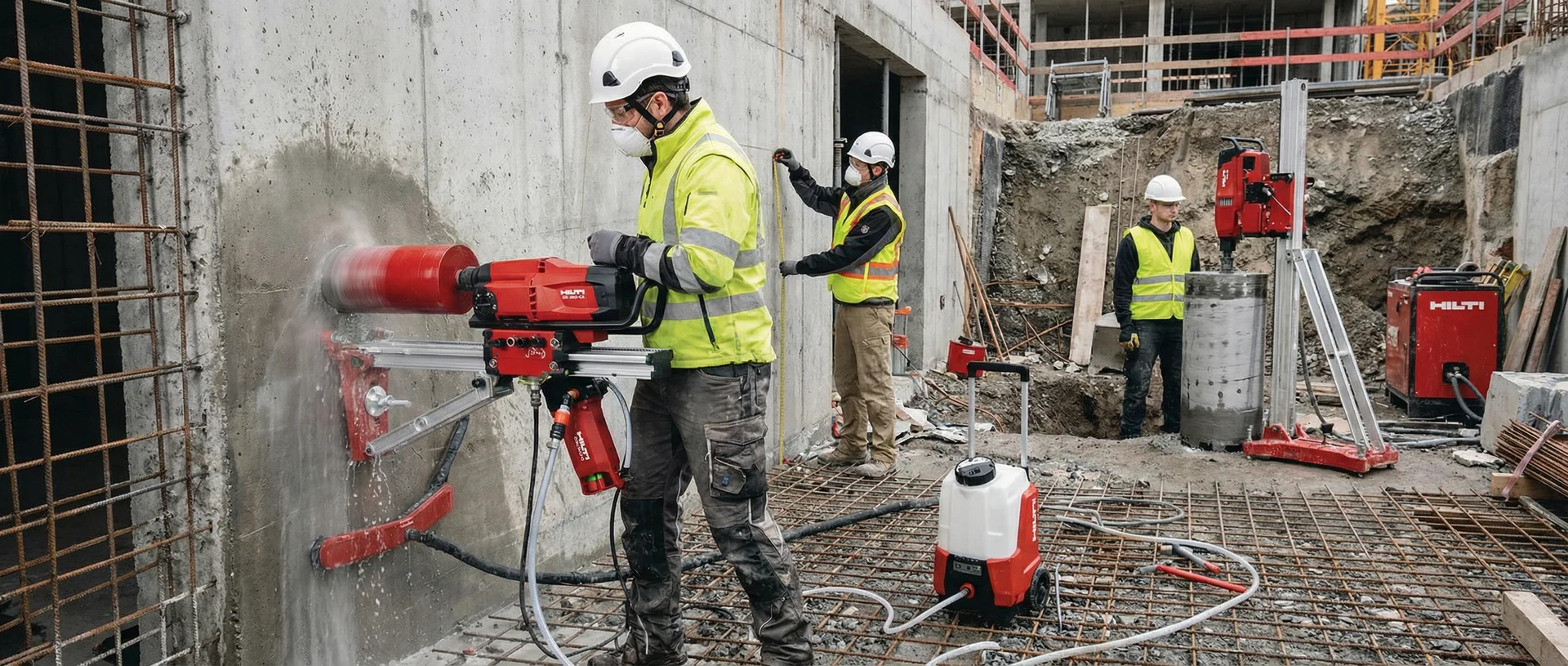
Historic buildings throughout Massachusetts present unique challenges that demand a fundamentally different approach to concrete cutting. Mill buildings, century-old commercial blocks, historic residences, and landmark structures contain concrete, stone, brick, and masonry elements that must be penetrated for modern utility systems without compromising the structural integrity or architectural character that preservation standards protect. REDCORE specializes in low-vibration diamond cutting methods that create clean, precise penetrations in historic structures without the fracturing, cracking, and collateral damage that impact methods would cause in aged and often unreinforced materials.
Massachusetts has one of the densest concentrations of historic buildings in the country, and adaptive reuse of these structures is an active segment of the construction market. Former mill buildings are converted to apartments and commercial spaces. Historic churches become event venues. Century-old school buildings are renovated for modern educational use. Downtown commercial buildings are restored and updated for new tenants. Every one of these conversions requires modern plumbing, HVAC, electrical, and fire protection systems to be threaded through a structure that was built long before these systems existed. Concrete cutting provides the penetrations these new systems require, and in a historic building, every penetration must be made with care that respects the existing structure.
The materials in historic buildings often differ significantly from modern concrete construction. Lime-based mortars, rubble-filled walls, unreinforced concrete, structural clay tile, and mixed masonry assemblies respond differently to cutting than modern reinforced concrete. REDCORE operators understand these material differences and adjust cutting techniques, blade selection, water management, and feed rates to produce clean cuts without causing cracking, spalling, or structural distress in adjacent materials.
Working within historic preservation guidelines often requires coordination with architects, preservation consultants, and historical commissions. Penetration locations may be restricted, visible surfaces may require special treatment, and the scope of cutting must be minimized. REDCORE works within these constraints, providing the technical capability to make precise penetrations while respecting the preservation objectives of the project.
Common Historic Buildings & Renovation Projects
Adaptive Reuse Plumbing Installation
Slab cutting and core drilling for new plumbing systems in buildings being converted from industrial, commercial, or institutional use to residential or mixed-use occupancy.
HVAC Modernization Penetrations
Core drilling through historic walls, floors, and roofs for modern HVAC ductwork, piping, and equipment with minimal visible impact on architectural features.
Fire Suppression System Installation
Careful core drilling through historic floor systems and walls for sprinkler risers and distribution piping in buildings being brought up to current fire codes.
Electrical and Data Infrastructure
Core drilling for electrical conduit, data cabling, and telecommunications routing through historic concrete and masonry without damaging architectural elements.
Mill Building Conversions
Heavy concrete cutting in former industrial mill buildings, including floor slab modifications, wall openings, and utility penetrations for residential and commercial conversion.
Window and Door Opening Modifications
Wall sawing for new or enlarged openings in historic concrete and masonry walls, performed with precision to maintain clean edges and minimize disturbance to surrounding materials.
Structural Assessment Access
Core drilling for structural investigation, material sampling, and condition assessment of historic concrete and masonry elements by engineering firms.
Accessibility Upgrades
Concrete cutting for wheelchair ramps, elevator installations, and accessible restroom construction in historic buildings meeting both ADA requirements and preservation standards.
Services for Historic Buildings & Renovation
Renovating a Historic Building?
REDCORE provides careful, low-vibration concrete cutting for historic building renovation and adaptive reuse projects throughout Massachusetts. We preserve what matters while creating the penetrations modern systems require. Contact us to discuss your historic project.
Request Free EstimateCall: +1 (413) 666-2026Industries We Serve
- Restaurants & Food Service
- Healthcare & Medical Facilities
- Schools & Educational Facilities
- Retail & Commercial Spaces
- Manufacturing & Industrial Plants
- Data Centers
- Municipal & Government Projects
- Multi-Family Housing & Apartments
- Warehouses & Distribution Centers
- Historic Buildings & Renovation
- Churches & Religious Buildings
- Hotels & Hospitality
Service Areas
Serving all of Western & Central Massachusetts
Frequently Asked Questions — Historic Buildings & Renovation
Can you cut through old lime mortar and rubble-filled walls without causing them to crack?
Yes. Historic masonry walls with lime-based mortars and rubble cores require a fundamentally different approach than cutting modern reinforced concrete. We use slower feed rates, appropriate blade selection for mixed materials, and continuous water management to prevent heat buildup that can cause cracking in aged mortar. Diamond cutting produces almost no impact vibration, which is critical for unreinforced historic walls that would fracture under jackhammer impact.
How do you work within historic preservation guidelines that restrict where penetrations can go?
We coordinate with your architect and preservation consultant to identify approved penetration locations before mobilizing. When visible surfaces must remain undisturbed, we route penetrations through concealed areas — closet walls, utility chases, above-ceiling spaces — and use the smallest diameter holes the mechanical systems allow. We document every penetration location for the historical commission review if required.
What experience do you have with mill building conversions in Massachusetts?
We have cut concrete in former textile mills, paper mills, and industrial buildings being converted to apartments, offices, and mixed-use spaces throughout the Pioneer Valley and central Massachusetts. Mill buildings typically have thick concrete floors (8 to 14 inches), heavy timber and concrete hybrid structures, and embedded industrial-era utilities. We understand the material differences and structural considerations these buildings present.
Do you offer structural assessment core drilling for engineering investigations?
Yes. Engineers and preservation architects sometimes need core samples extracted from historic concrete or masonry to assess material strength, composition, and condition. We drill clean sample cores at the diameters the testing lab requires (typically 2-inch to 4-inch) and extract them intact for laboratory analysis. We patch the sample holes with matching material after extraction.
Renovating a Historic Building?
REDCORE provides careful, low-vibration concrete cutting for historic building renovation and adaptive reuse projects throughout Massachusetts. We preserve what matters while creating the penetrations modern systems require. Contact us to discuss your historic project.